
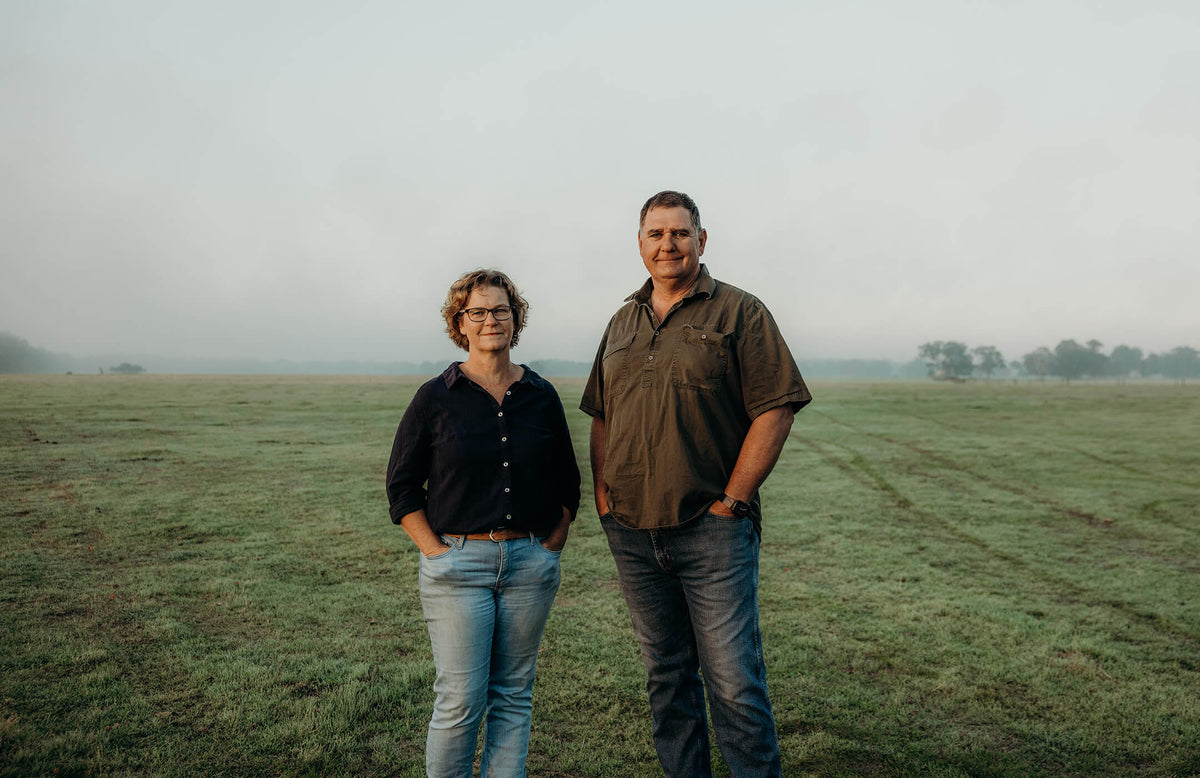
As multi-generational farmers, we have learnt caring for Country must be at the forefront of what we do.
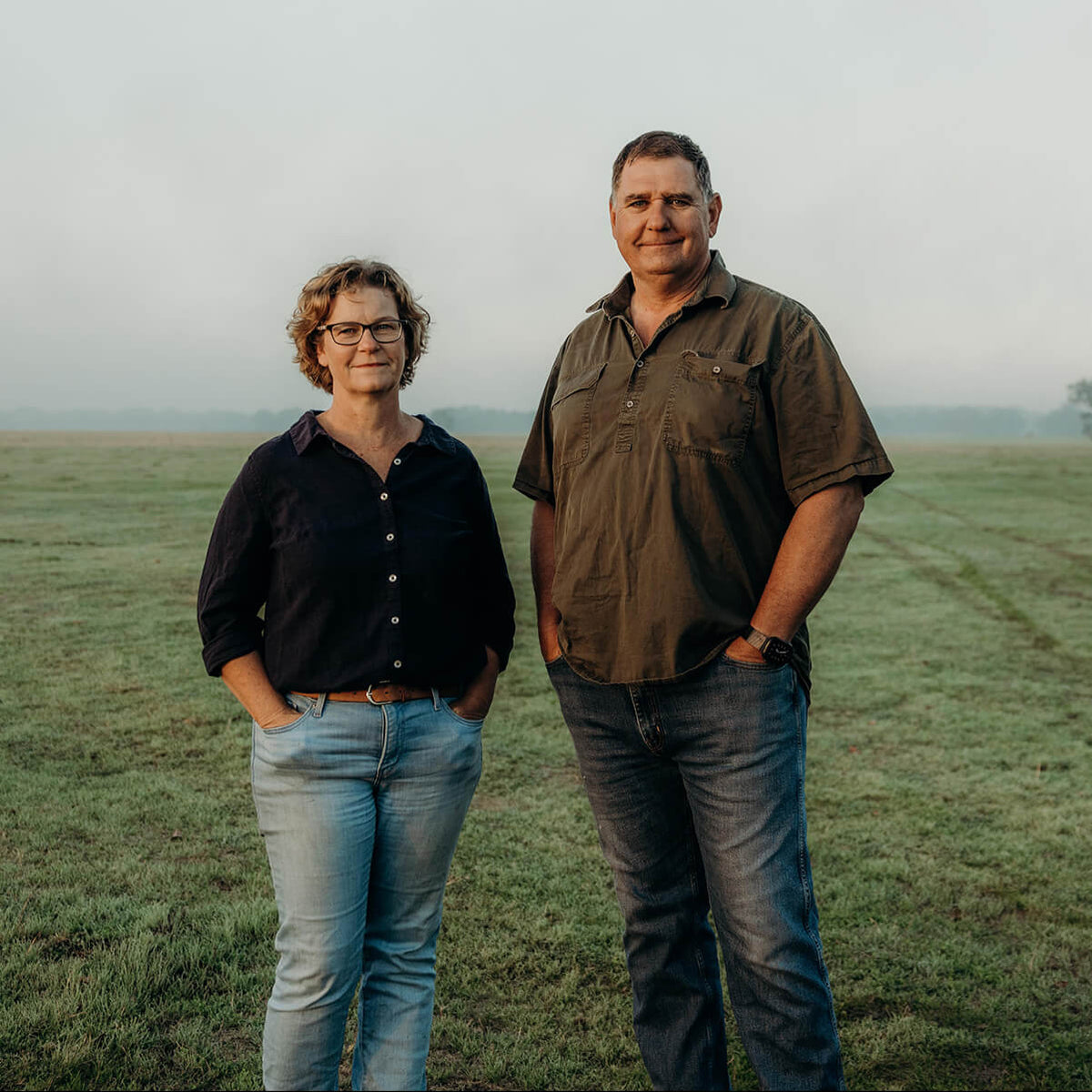
The Lamont family have farmed in Western Australia for over 100 years, first in Ongerup before moving to the Perth Hills in the 1940’s. We first purchased land in the Peel region twenty years ago and now farm at Coolup, Fairbridge, Waroona and Keysbrook.
As lovers of Country we want the actions we take today to improve the world around us and leave it in better shape for those that follow. For generations, we have farmed with open minds not tending to follow the accepted norms. Much of that is watching and listening to the lands, testing changes and discovering what works. We feel the more traditional ways of farming are not sustainable and we need to work with Country rather than take from it to improve the health of our lands and what it produces.
Regenerative farming is a method of farming we relate to, and we believe it holds many answers to achieving long term sustainable farming. It’s not black and white, nor prescriptive, it considers the whole ecosystem and starts rebuilding from the ground up. And it rewards with observable changes in soil microbiology, root health, water infiltration and plant diversity among many other things.
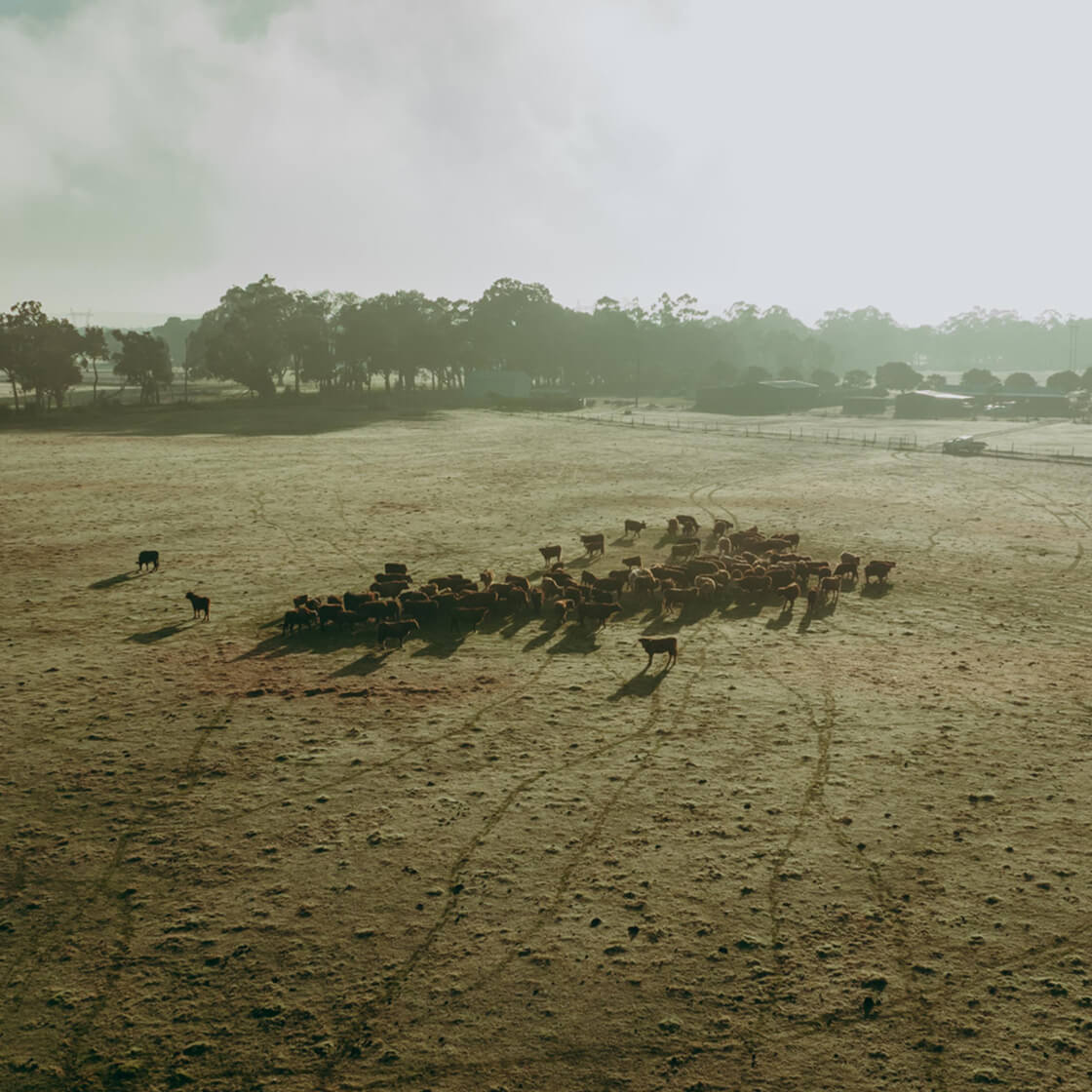
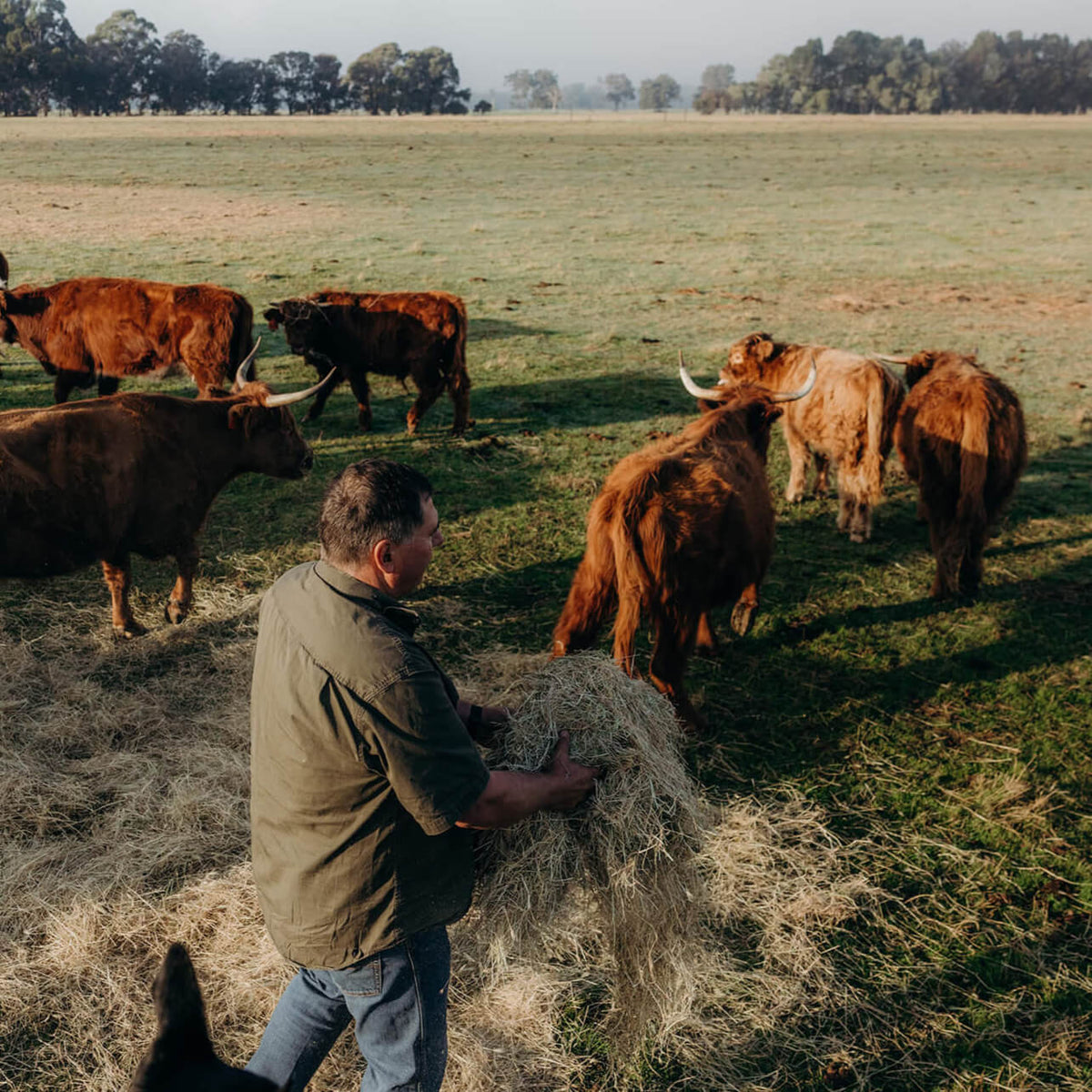
Cows are an essential element of our regenerative farming process. We love our cows and we breed Highland and Angus. The Highlands are amazing for regenerative farming - they are wonderful foragers, eat undesirable plants, are feed-efficient, docile and gentle on the ground. However, managing the number of cows to match what the lands need is important, and while farming has many upsides, one of the biggest downsides for us is needing to remove the cows.
We don’t send to markets or feedlots because we don’t like the stress it causes the cows, and there is only so many small landholders looking to buy our cows. Knowing the exceptional meat quality and the added health benefits associated with regenerative farming, we decided to supply direct to the public. However, we wanted to be sure we adhered to our values and always placed the cow’s welfare at the fore. From there we purchased a small abattoir on land in Keysbrook and spent the next year upgrading it to make it safe and compliant with an animal-first philosophy.
Yangedi is the Noongar word for the bull rushes that play a vital role in the ecosystem of the wetlands on which the processing plant is located, and the name of the road on which it is accessed. Yangedi purifies water, provides shelter for birds, amphibians, reptiles and insects and stabilises the lands from erosion. It is also an important plant for the Noongar people for food, materials and medicine. Naming our beef supply Yangedi Beef seemed natural out of respect for the Country on which it is generated.
Outside of farming, Tracey and Chloe give back to the community working in health and counselling, Darcy and Adam work in our engineering business, while Adam tries to find time to keep Coolup Landscape Supplies available for the local community.
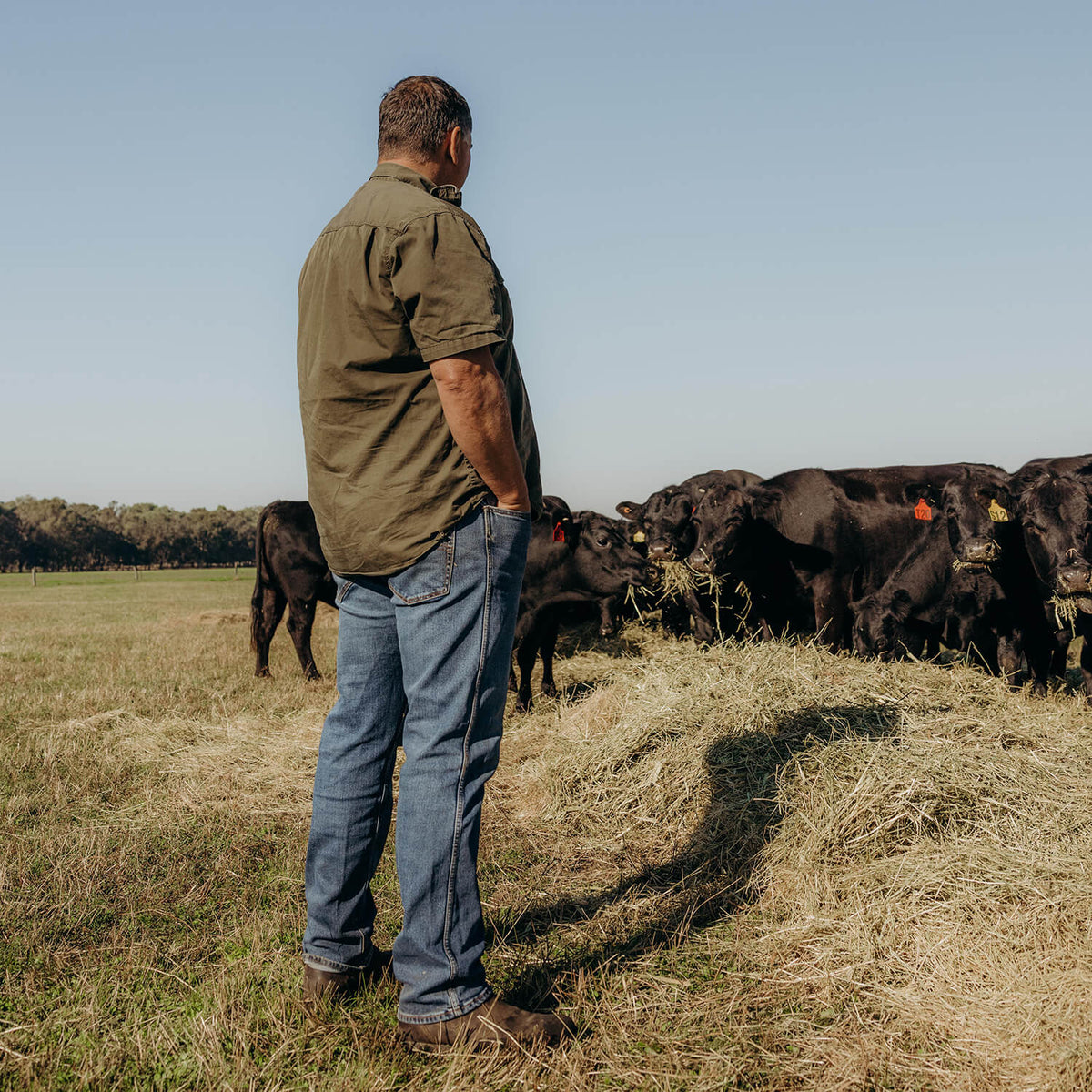
Looking after Country comes first
Healthy soils support healthy pastures and healthy pastures support healthy cattle. Better beef is the result.

